
Stop foreclosure on your house in Alabama by acting with urgency. If its still before your auction date, explore your options today. Get started by requesting a FREE CASH offer in the form below!
Stop Foreclosure Alabama
No one wants to lose their house in Alabama to foreclosure since it damages credit and leaves them with no roof above their heads. If your house is about to be auctioned and you already feel defeated, this blog will offer you some hope!
To stop a foreclosure at the last minute in Alabama, your fastest option is to sell the house to a cash buyer since they close quickly. Alternatively, you can file for bankruptcy, ask for a loan modification, file a lawsuit, get a deed in lieu of foreclosure, request forbearance, opt for a short sale, refinance with a hard money loan, choose reverse mortgage, loan reinstatement, and lease or assumption.
We know most of the options we mentioned above may be new to you. To learn more about them, stick with us until the end of this blog!
What is Foreclosure Alabama?

Foreclosure occurs when the owner of a home fails to pay their mortgage loan. The lender will seize the house, request the homeowner to leave, and sell the property in an auction. This is in accordance with the contract that the owner signed when getting a loan in Alabama.
Here are some other facts about foreclosure proceedings that you should know about:
- Foreclosure can happen through a court system or not. These are called judicial foreclosure and non-judicial foreclosure.
- When your house is in danger of foreclosure, you will receive a notice from your mortgage company.
- Home foreclosure not only results in loss of property but also severe damage to your credit.
- Home foreclosures take months to years to complete, with seven years being the maximum.
When you receive a foreclosure notice on your home in Alabama, it doesn't mean that in a few days or a week's time, your house will be auctioned by the lender. Your lender will give you time to settle your monthly mortgage payments and think of your next move regarding foreclosure prevention.
How to Avoid Foreclosure Alabama

Stopping home foreclosure proceedings in Alabama can be challenging to navigate, so to prevent all the stress, it is better to avoid foreclosure from the get-go. Here are some tips on foreclosure prevention.
Important Note: If you are still stressed out about possible foreclosure, you may want to seek foreclosure avoidance counseling or ask for expert advice from a foreclosure attorney or housing counselor in Alabama.
Pay Mortgage Payments on Time
This is a no-brainer, but you have to make payments to your lender during the set date every month, so your house doesn't get foreclosed. If you are in a tough financial situation, make sure you cut down on non-essential costs like any subscriptions or ordering stuff online that you don't need, etc., to make payments.
It's crucial to prioritize making payments because it is the simplest way to avoid foreclosure in Alabama.
Know Your Mortgage Rights and When You Can Be Issued a Notice of Foreclosure
If you have read your loan documents provided by the lender, you know exactly when your mortgage company can issue a foreclosure notice on your Alabama property. You'll be more motivated to settle missed payments since you know when you'll deal with the consequence of not doing so.
Use Your Assets to Pay for the Loan
It is a good idea to let go of some of your assets to pay for your late mortgage payments if you're just a few months behind.
For example, you may pawn some jewelry to cover the mortgage payments, including the interest rate and late fees.
This is also a good option if you anticipate financial hardship due to possible job loss. The proceeds of selling your assets can pay any unsecured debts, not only your mortgage.
Communicate Financial Problems with Your Lender
If you're having difficulty dealing with your personal finance or going through a temporary setback, tell your lender immediately (even if you only missed a month of mortgage payment). This way, they can modify the loan and avoid issuing you a foreclosure notice.
Remember that lenders or mortgage servicers don't really want your house, but the interest rate they get when you pay your debt. You should work with them in formulating a loss mitigation plan so your home in Alabama won't be foreclosed.
How to Stop Foreclosure Alabama
Stopping foreclosure in Alabama can be intimidating, especially if you do not know where to begin. Fortunately, with the number of homeowners facing foreclosure every year due to mortgage delinquency, we have already identified effective ways to stop the foreclosure process.
Here are some of your options to stop the foreclosure of your home.
Sell Your House to a Cash Buyer
Selling your house is probably the last thing on your mind, but if there are only a few weeks left before the auction of your property, a home sale might make more sense.
Your best option for a foreclosure sale is to get a cash offer from a local investor in Alabama. At this point, selling on the local real estate market through an agent is already a gamble. You need to act quickly, which means you need a buyer who can pay you with cash immediately so you can settle your monthly mortgage payments.
Cash buyers buy houses in as fast as seven days. They offer flexibility when it comes to closing in a foreclosure sale, so if you communicate the auction date of your property, they will go beyond their means to buy your house fast.
Loan Reinstatement
Loan reinstatement is the process of restoring your mortgage or making the loan current by paying the monthly payments you owe. Your defaulted mortgage will be back to a clean slate through loss mitigation and you can continue paying regular monthly mortgage payments as if nothing happened.
It should be clarified, though, that this is different from a loan payoff, where you pay the entire mortgage, not just the regular monthly payments you missed.
File for Bankruptcy
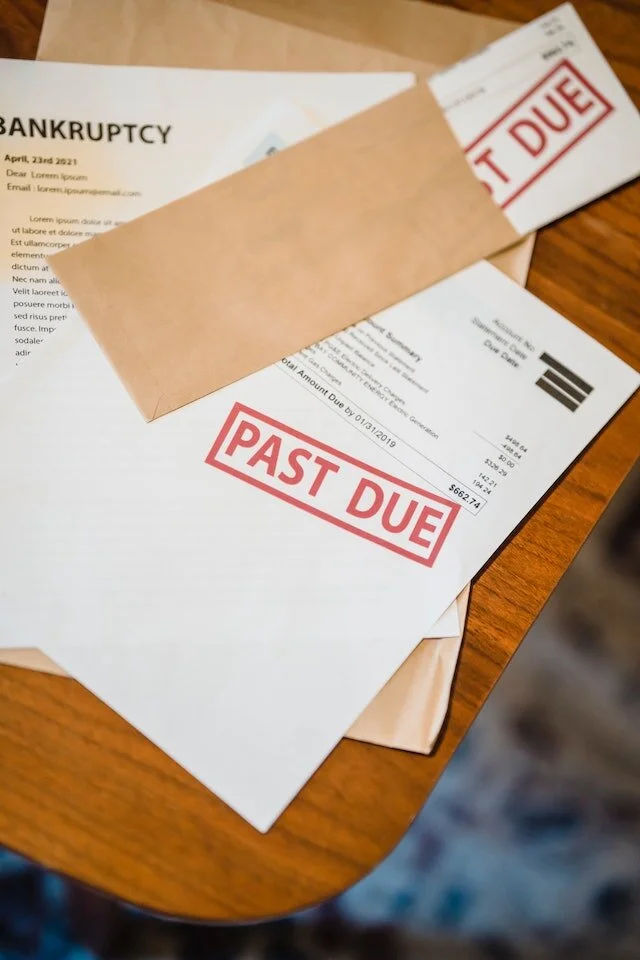
Filing for bankruptcy, if you are eligible, is another surefire way to stop foreclosure in Alabama. Right when you file bankruptcy, the "automatic stay" goes into effect. This prohibits the lender from foreclosing on your property or collecting missed payments from you.
There are two types of bankruptcy that can help stop a foreclosure and they are Chapter 13 and Chapter 7.
Chapter 13 bankruptcy is best if you want to keep your home since it helps you restructure your unsecured debt through a repayment plan. You'll be given three to five years to pay what you owe.
Chapter 7 bankruptcy, on the other hand, can only delay the foreclosure and give you time to save up so you can move out and afford a new dwelling. This bankruptcy doesn't offer a new repayment plan.
Ask the Mortgage Company for Loan Modification
The most common move of many homeowners in Alabama when stopping or avoiding foreclosure is to ask for a loan modification from their lender. Although ideally, you apply for debt modification early on, you can also do this when time is running out.
When you apply for a loan modification, the foreclosure process will be delayed since the lender is not allowed to do dual tracking under federal law. Dual tracking means proceeding with foreclosure while there is a pending loss mitigation application.
Refinance with a Hard Money Loan or the American Rescue Plan Act
If you are considered a high-risk borrower, your mortgage servicer or lender in Alabama may not allow you for a mortgage modification for monthly payments.
You may want to consider taking out a hard money loan from private lenders to pay off your mortgage balance. However, these loans have high interest rates, so they may not be the best answer on how to stop foreclosure.
Alternatively, you may apply for the American Rescue Plan Act, which is a homeowner assistance fund that helps people who are behind their mortgages.
File a Lawsuit to Stop the Foreclosure Process
If the foreclosure process is nonjudicial, you may file a lawsuit against your lender. Note that this is applicable if the lender violated the Alabama state law or the Homeowner Bill of Rights law, made grievous errors, didn't follow state laws regarding foreclosure, did not comply with the state's mediation requirements, or cannot prove the ownership of a promissory note.
To prevail in the case, you have to prove to the court that the foreclosure should not have existed in the first place. Also, when filing a lawsuit, you should include an injunction to stop a foreclosure sale and a motion for a temporary restraining order.
Get a Deed in Lieu of Foreclosure
If the main reason why you don't want your house to be foreclosed is the damage it will do to your credit report and not the loss of your property in Alabama, then check out a deed in lieu of foreclosure. This deed transfers the ownership of your property to the loan servicer in exchange for mortgage debt relief.
Of course, you and your mortgage servicer or lender should both agree on this setup for this mortgage relief to be viable.
However, before proceeding, make sure you consult with a real estate attorney because in some states, getting a deed in lieu of foreclosure if you have too much debt makes the same damages to credit report as a foreclosure.
Request Forbearance From Your Mortgage Lender
Requesting mortgage forbearance from your mortgage servicer generally stops foreclosure for a certain period, but it doesn't reduce the amount you owe.
You are just given time to get back on track with your finances so you can pay your monthly mortgage balance, including what you accrued during the period that you were given forbearance.
Typically, you are eligible for this mortgage relief or loss mitigation if your loan is federally backed, including Fannie Mae, Freddie Mac, USDA, VA, HUD/HFA loans or you experienced financial hardship due to the coronavirus pandemic.
Opt for a Short Sale
Homeowners who do not qualify for any assistance during foreclosures may want to consider a short sale as a mortgage relief under the Alabama state law.
This is when the mortgage lender agrees that you sell the property for less than the amount you owe them. All the sale proceeds would be claimed by the lender and they'll forgive the remaining balance.
Similar to the options mentioned before, a short sale would not hurt your credit score. However, before you proceed to sell the house for less than what you owe, you need the approval of the mortgage lender.
Lease Option or Loan Assumption

A lease or assumption option occurs when someone takes over your mortgage. A good example is if your relative bought your house in Alabama and agrees to pay what you owe your loan servicer or lender, as well as the remaining balance of your mortgage. In other words, that person will assume the debt and you will be released from liability.
Note that not all mortgages can be assumed. Usually, conventional mortgages are more difficult to assume than USDA, FHA, or VA loans.
Reverse Mortgage
A reverse mortgage applies if the homeowner is already 62 years old or above and their house already has enough equity. The homeowner will borrow against their home value or equity in order to pay their mortgage loan. They'll receive a lump sum or monthly mortgage allowance through this route.
Over time, the home equity will decrease and the reverse mortgage balance will increase. The reverse loan is repaid when the homeowner sells the home, moves out, or dies.
When is Too Late to Stop the Foreclosure of a Home Alabama?
Typically, when the property is already sold in an auction, avoiding a foreclosure or stopping it is impossible. In other words, even if a notice about the sale is already printed in the newspaper, you can still stop it by settling the missed payments you owe.
We recommend checking with your local government in Alabama on what rules apply to you.
Can I Still Get My House Back After Foreclosure in Alabama?
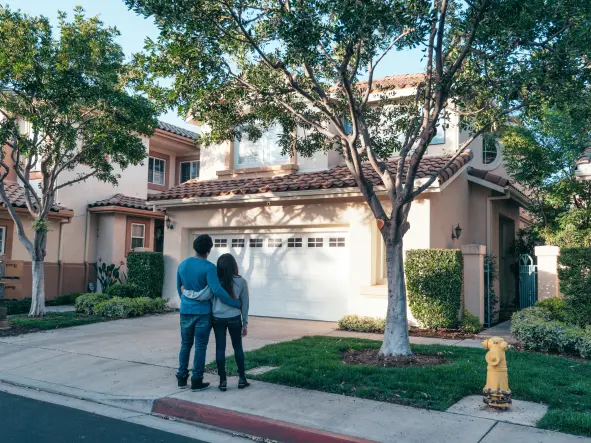
You can still get your house back after foreclosure through what is called the right of redemption in some states. The existence of the right of redemption means you can pay for your home and get it back during a period of time set by the state.
The homeowner is allowed to pay the foreclosure price and some other charges connected to the sale of the property, such as HOA fees, property taxes, total mortgage amount owed, and interest. Statutory redemption laws also give the foreclosed borrower the right to occupy the house during the redemption period.
Final Thoughts: Stop Foreclosure Alabama
There are so many ways to stop a foreclosure in Alabama at the last minute, as you have learned in this blog. Surely, there is one that fits your circumstances and the timeline of your foreclosure process.
If you have exhausted the list in avoiding foreclosure and failed to pay what you owe on the mortgage debt, your fastest and safest option is a foreclosure sale. Cash buyers are quick to give offers and they close fast. If you communicate the foreclosure timeline to them, they'll do their best to ensure that the sale closes before your property is auctioned.
Acting with urgency is crucial if your goal is to sell your home to stop foreclosure in Alabama. Reach out to us at Sell My House Fast-- we'll give you a fair cash offer and close according to your timeline with no fees.
Fill out our form below or contact us at (844) 207-0788 to avoid foreclosure in Alabama today!